
Laws & rules6 min read
DOT opens a 30-day comment window on a petition to add medical safeguards for invalid urine drug tests
A notice published October 1 asks the public whether federal drug-testing rules should give truck drivers and other safety-sensitive workers a short window to document medical reasons for abnormal results before an observed retest or refusal finding.
On October 1, 2026, the Department of Transportation published a Federal Register notice announcing a petition for rulemaking and opening a 30-day public comment period. Comments are due by November 2, 2026. The docket is DOT-OST-2026-3664.
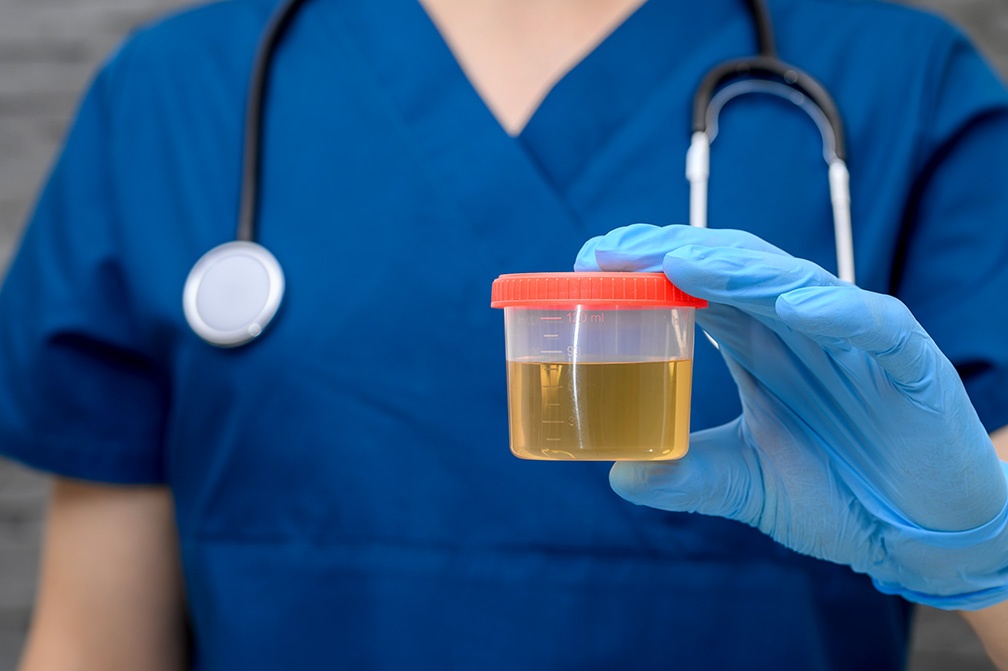
The petition, filed February 27, 2026 by Darcy Kern, asks DOT to amend 49 CFR Part 40, the federal drug and alcohol testing procedures that cover commercial truck drivers and other safety-sensitive transportation workers. Under current rules, certain invalid urine results—including abnormal pH—can cancel the test and trigger a mandatory recollection under direct observation. A failure to provide a sample under observation can be treated as a refusal to test.
What the petition would change
The petitioner wants structured medical-verification steps before that escalation. Key proposals include giving the worker up to 72 hours to submit documentation from a licensed medical provider when a medical explanation is asserted, requiring the Medical Review Officer (MRO—the doctor who reviews drug-test results) to issue a written determination on that documentation before ordering an observed retest, and having the MRO consider specialist input for diagnosed voiding disorders such as paruresis (shy bladder). Before verifying a refusal based on inability to provide a specimen under observation, the MRO would have to document review of any earlier medical evidence of a functional voiding disorder.
The petition states the changes would not eliminate observed testing, weaken anti-tampering rules, or create open-ended delays. If documentation is missing or judged insufficient, the observed collection would still proceed under existing requirements.
Why the stakes are high for drivers
A verified refusal can affect a commercial driver’s license, get reported to the FMCSA Drug and Alcohol Clearinghouse, and trigger mandatory return-to-duty steps. DOT has not proposed a rule of its own and has not decided whether to grant the petition and start formal rulemaking. It is simply seeking comments and supporting information to help make that decision.
- Comment deadline: November 2, 2026
- Submit via Regulations.gov, docket DOT-OST-2026-3664
- Applies to Part 40 testing for truck drivers and other safety-sensitive transportation workers
- DOT has made no decision yet on whether to open rulemaking
Sources
- The Trucker: USDOT seeks public input on proposed changes to drug-testing procedures
- Federal Register public inspection / notice PDF (FR Doc. 2026-20169)
- Federal Register document page (2026-20169)
- Regulations.gov docket DOT-OST-2026-3664
The Ro-Mac Brief summarizes public reporting for a general reader. Figures can be revised by the agency that published them. This is not legal advice.
Keep reading
- G7 nations will release up to 100 million barrels of diesel and crude from emergency stocks after U.S. pressure
The coordinated drawdown starts immediately over four months, with a big diesel push in the first 20 days, as the official U.S. on-highway average sits at $6.382.
- Los Angeles jury convicts two men in a $2 million scheme that bought trucking companies to steal cargo
A federal jury found Arshpreet Singh and Vikramjeet Singh guilty of conspiracy after they and others used purchased or hijacked carriers to pick up loads that never arrived.
- Six family trucking firms sue C.H. Robinson and TQL, alleging they steered loads to chameleon carriers
A new federal racketeering lawsuit claims two major freight brokers used unsafe, name-changing trucking outfits to undercut legitimate carriers on price.